Get Metal Cladding Installation
Metal cladding installation services help property owners enhance building durability, improve appearance, and protect structures in projects like commercial facades and industrial warehouses.
Metal cladding installation is a practical upgrade that can enhance the durability and appearance of a property’s exterior. Property owners in the area often explore this service to improve weather resistance, reduce maintenance needs, and achieve a modern, stylish look. Whether planning a renovation or a new build, understanding the options available and comparing local contractors can help ensure the project meets both aesthetic and functional goals.
Finding the right service provider for metal cladding installation involves reviewing local contractors experienced in handling this specialized work. Many property owners choose to explore their options carefully, considering the quality of work and reputation of nearby professionals. Continuing to read can help identify trusted local experts who can support the planning process and deliver results aligned with specific property needs.
- Commercial Buildings - when large-scale metal cladding installation is needed to enhance building durability and appearance.
- Industrial Facilities - for upgrading or replacing metal cladding on factories and warehouses.
- Residential Complexes - during renovation projects or new construction requiring durable exterior cladding.
- Retail Stores - when storefronts need modern, weather-resistant metal cladding solutions.
- Public Infrastructure - for installing or refurbishing metal cladding on bridges, stadiums, or community centers.
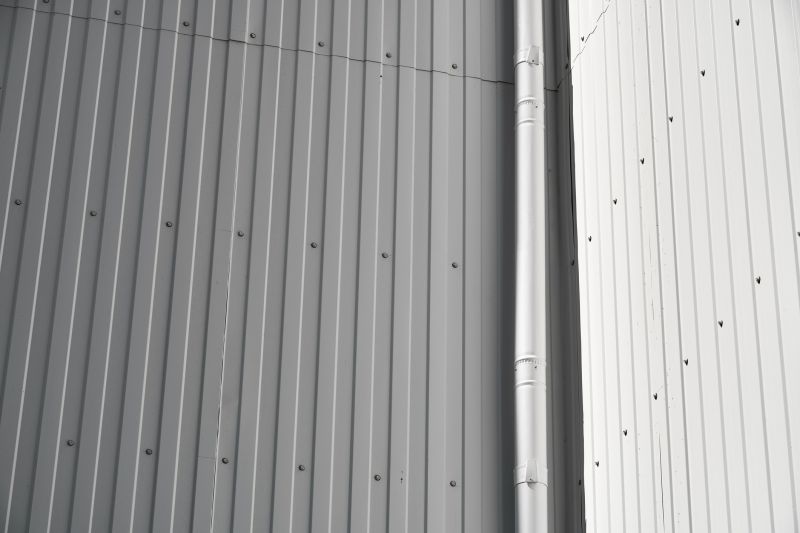
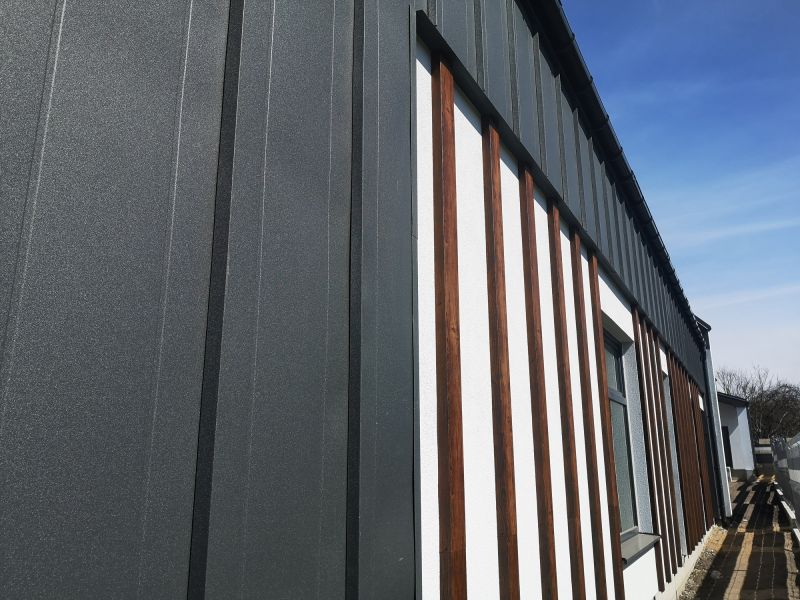
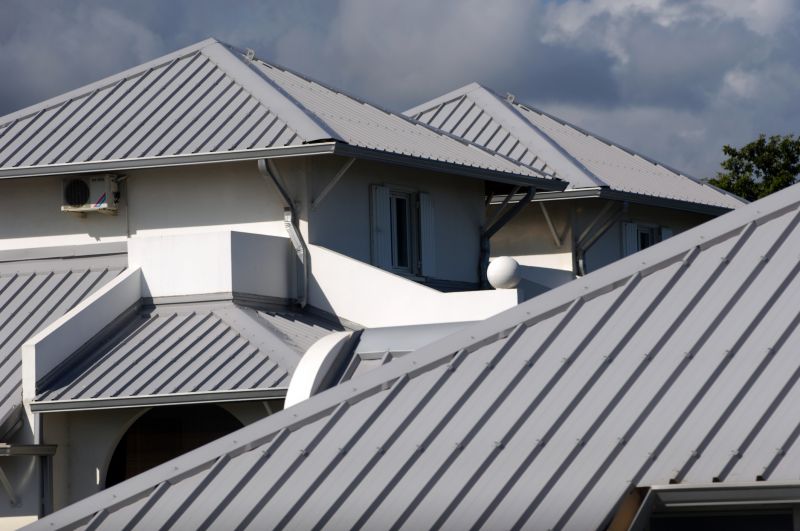
Metal cladding installation involves attaching durable metal panels to the exterior surfaces of a building. This process not only enhances the appearance of a property but also provides a protective barrier against weather elements such as rain, wind, and UV rays. The installation typically requires precise measurement, cutting, and fastening of panels to ensure a seamless and secure fit. Skilled contractors can work with a variety of metal materials, including aluminum, steel, and zinc, to match the aesthetic and functional needs of the property.
This service helps address common problems like water infiltration, structural deterioration, and thermal inefficiency. Over time, buildings may develop leaks or experience damage from exposure to harsh weather, leading to costly repairs. Metal cladding acts as an effective shield, preventing moisture from penetrating the underlying structure and reducing the risk of mold or rot. Additionally, it can improve insulation, helping to maintain indoor temperatures and lower energy costs, making it a practical choice for property owners seeking long-term solutions.
Properties that typically benefit from metal cladding installation include commercial buildings, industrial facilities, and residential homes. Commercial properties often use metal cladding to create a modern, professional appearance while ensuring durability. Industrial sites may require heavy-duty panels to withstand extreme conditions, while homeowners might choose metal cladding to upgrade the look of their exteriors or to improve weather resistance. Regardless of the property type, experienced service providers can customize the installation to suit specific architectural styles and functional needs.
Homeowners considering metal cladding installation should look for local contractors experienced in working with different materials and property types. This service is suitable for those seeking to enhance curb appeal, protect their investment, or address existing exterior issues. Whether updating a home’s facade or upgrading a commercial building, connecting with qualified local pros can ensure the job is done correctly and efficiently. Contacting reputable service providers can help determine the best metal cladding options tailored to the property’s requirements.
The overview below groups typical Metal Cladding Installation projects into broad ranges so you can see how smaller, mid-sized, and larger jobs often compare in your area.
In many markets, a large share of routine jobs stays in the lower and middle ranges, while only a smaller percentage of projects moves into the highest bands when the work is more complex or site conditions are harder than average.
Smaller Repairs - For minor metal cladding repairs or patchwork, local contractors typically charge between $250 and $600. Many routine jobs fall within this range, though costs can vary based on material and access.
Partial Cladding Replacement - Replacing sections of metal cladding usually costs between $1,000 and $3,000 for most projects. Larger or more intricate sections can push costs higher, but many projects stay within this mid-range.
Full Cladding Replacement - Complete removal and installation of new metal cladding often ranges from $5,000 to $15,000, depending on building size and material choices. Most full replacements tend to fall into the middle of this spectrum, with higher costs for complex designs.
Large or Custom Projects - Extensive or specialized metal cladding installations can exceed $20,000, especially for large commercial buildings or custom designs. These projects are less common and typically represent the upper end of the cost spectrum, depending on scope and materials.
Actual totals will depend on details like access to the work area, the scope of the project, and the materials selected, so use these as general starting points rather than exact figures.
Facade Renovation Projects - Local contractors skilled in facade upgrades often handle metal cladding installation as part of improving building exteriors.
Architectural Metalwork Projects - These projects require similar planning, tools, and precision in installing durable metal panels and decorative cladding features.
Commercial Building Enclosures - Installing metal cladding is a common method for creating weather-resistant and visually appealing building exteriors in commercial projects.
Industrial Facility Upgrades - Metal cladding installation skills are applicable when upgrading or refurbishing industrial buildings with protective exterior coverings.
Exterior Wall Insulation Systems - Many of these projects involve installing metal panels as part of exterior insulation and finishing systems (EIFS) for energy efficiency and aesthetics.
Roofing and Wall Panel Installations - These projects require similar expertise in working with metal panels, fasteners, and precise planning for secure and long-lasting installations.
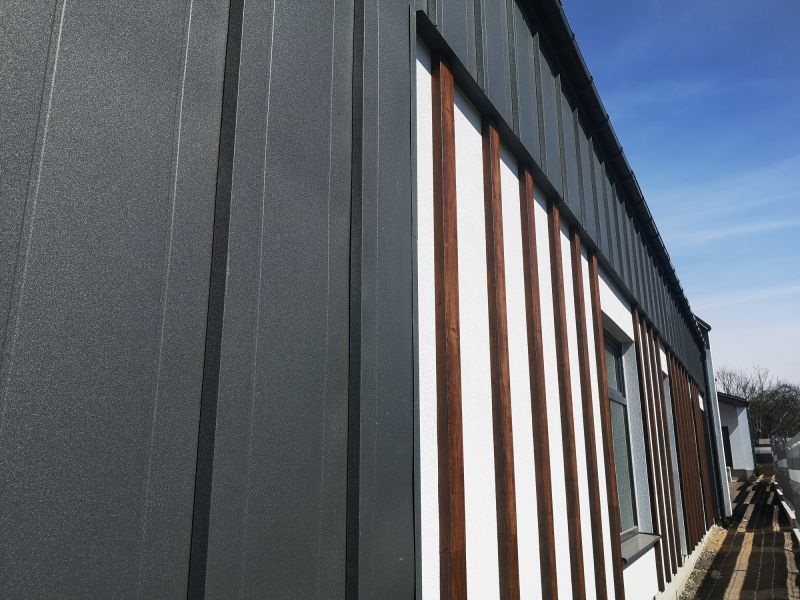
When evaluating service providers for metal cladding installation, it’s important to consider their experience with similar projects. Homeowners should look for local contractors who have a proven track record of handling projects comparable in scope and style. This can help ensure that the contractor understands the nuances of metal cladding systems and can deliver results that meet expectations. Asking about past work or viewing portfolios of completed projects can provide insight into their familiarity with different types of cladding and installation techniques.
Clear written expectations are essential to a successful project. Homeowners should seek out local pros who are willing to provide detailed proposals outlining the scope of work, materials to be used, and any specific responsibilities. Having these expectations documented helps prevent misunderstandings and ensures that everyone is aligned on the project’s objectives. It’s also beneficial to discuss the process upfront, including timelines, warranties, and any potential challenges, to establish a transparent working relationship.
Good communication is a key factor when choosing local contractors for metal cladding installation. Service providers who are responsive, open to questions, and willing to provide thorough explanations can make the process smoother. Reputable local pros often have references or reviews that can be checked to confirm their reliability and professionalism. Although the site introduces homeowners to local options, it’s important to remember that it does not perform the work itself-selecting a contractor who communicates well and demonstrates experience can help ensure the project proceeds efficiently and to satisfaction.
Property owners use Metal Cladding Installation services for practical projects around their homes and businesses. This guide focuses on everyday jobs and straightforward project options.
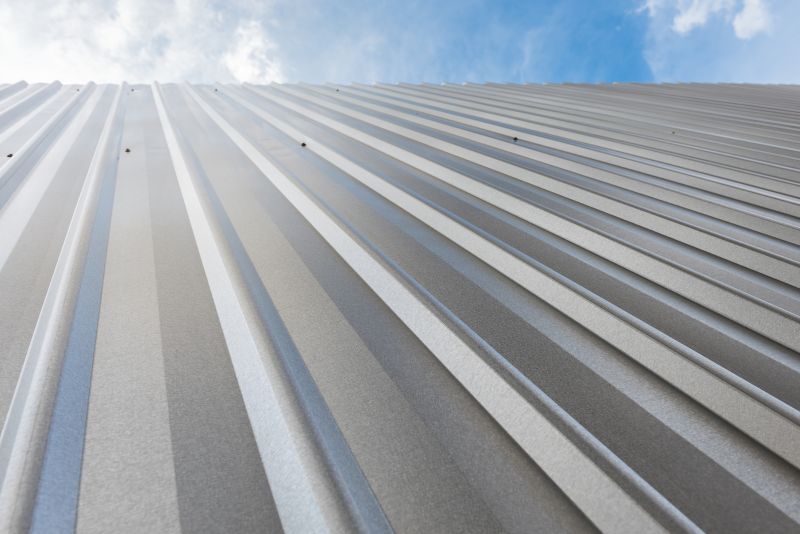
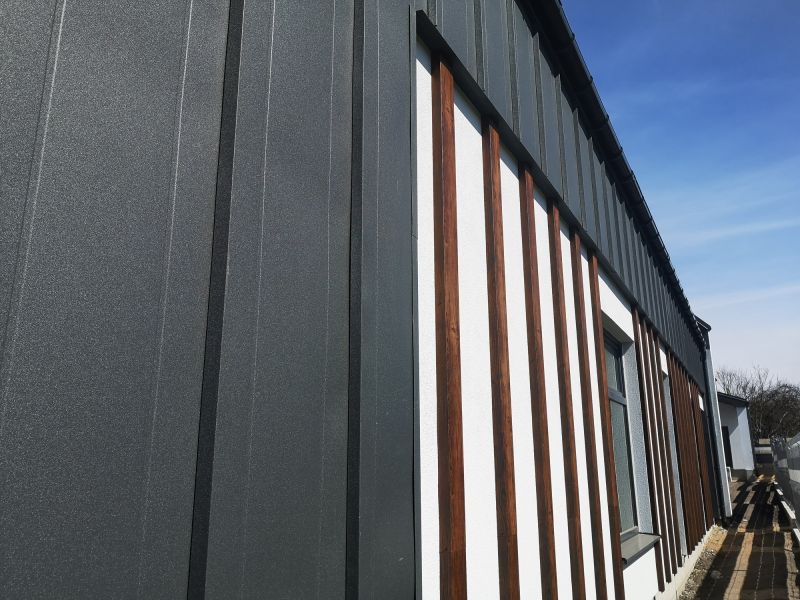
Metal cladding installation is a common project for property owners looking to improve the durability and appearance of their buildings. Local contractors often handle tasks such as upgrading worn or damaged exteriors, enhancing insulation, or modernizing the look of commercial and residential properties. These projects can arise from the need to protect structures against weather elements or simply to update the style of a building with a sleek, contemporary finish.
Property owners in the area might seek metal cladding services when undertaking renovations or new constructions. Whether replacing old siding, adding a protective layer to exterior walls, or creating a distinctive architectural feature, local service providers can assist with various project needs. Connecting with experienced contractors ensures that the work aligns with the property’s goals and meets local standards.
What types of metal cladding materials do local contractors install? Local contractors typically install a variety of metal cladding materials including aluminum, steel, copper, and zinc, depending on the project requirements and aesthetic preferences.
Can metal cladding be customized to match existing building styles? Yes, many service providers offer customization options such as different finishes, colors, and panel styles to ensure the cladding complements the building’s design.
Is metal cladding suitable for both residential and commercial buildings? Metal cladding is versatile and can be used for both residential and commercial structures, providing durability and a modern appearance.
What installation methods are used for metal cladding? Installation methods vary but generally include fastening panels with screws or clips, with some projects utilizing standing seam or snap-lock systems for a secure fit.
How do local contractors ensure proper preparation before installing metal cladding? Contractors typically assess the building’s surface, make necessary repairs, and ensure proper insulation and framing to facilitate a successful cladding installation.
Enhance Building Aesthetics - Metal cladding installation can improve the visual appeal of residential and commercial properties, giving them a modern and polished look.
Improve Weather Resistance - Property owners can use metal cladding to protect walls from harsh weather conditions, reducing potential damage over time.
Upgrade Exterior Insulation - Installing metal cladding can add an extra layer of insulation, helping to maintain comfortable indoor temperatures.
Replace Outdated Siding - Local contractors can assist in updating old or damaged siding with durable metal cladding for a fresh appearance.
If you are thinking about Metal Cladding Installation for a property, this guide is meant to help you understand the work, the typical project types, and how different options might fit your plans.
When you are ready, you can use the quote form on this page to share a few details about your project. From there, local pros can review the basics and respond with options that match what you have in mind.